
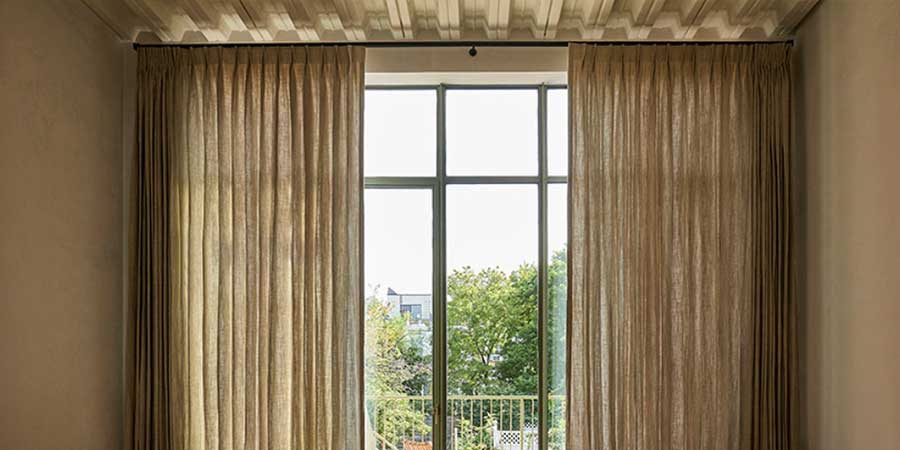
Drapery has the power to change a space instantly, adding softness, character, and intention to the window. In addition to enhancing privacy and light control, custom window treatments contribute to comfort and energy efficiency. Pinch pleat drapery is a beloved choice for its refined look and timeless appeal. Follow along as we explore why this header style remains a favorite custom option.
Pinch Pleat Drapery Explained
Pinch pleat refers to the way the top of a custom drapery panel is constructed. This header style gathers the fabric into evenly spaced folds, which makers pinch and stitch into place, usually one to two inches below the top edge. These sewn-in pleats create a clean, tailored structure that holds its shape, allowing the drapery to hang beautifully and move smoothly when opened and closed.
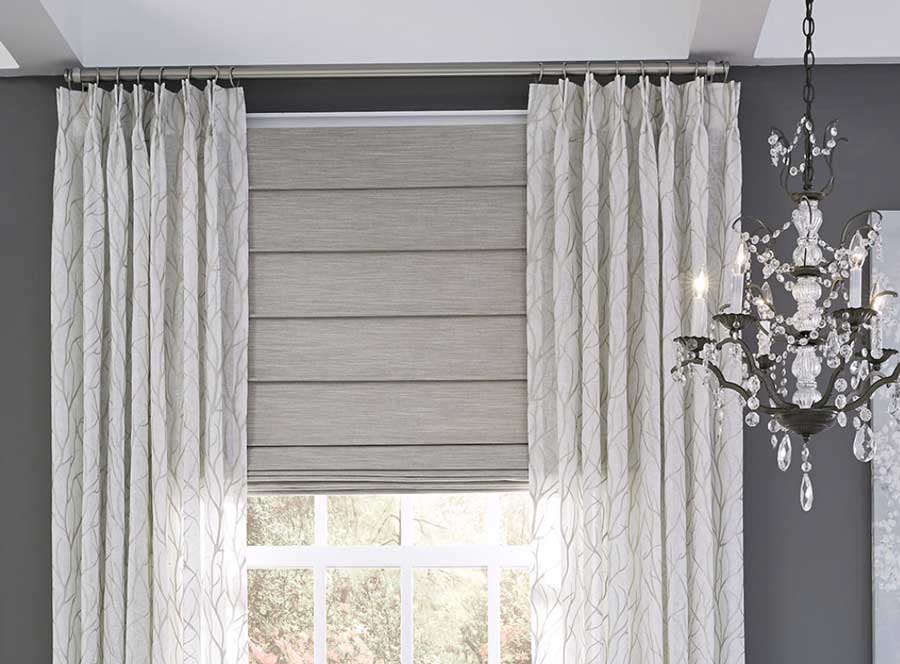
Pinch Pleat Drapery: Traditional or Modern?
Pinch pleat drapery is often viewed as a modern window treatment. Its versatility allows it to complement a wide range of design aesthetics—from traditional and modern to farmhouse and coastal. While the header sets the foundation, several customization choices shape the final look. The number of pleats affects the level of formality, while fabric type and weight influence the overall style and presence. Drapery hardware helps tie the design to other elements in the home, and layering drapery with shades adds both visual interest and functional benefits.
Explaining the Difference Between Double Pleats & Triple Pleats
The descriptions double and triple show how many pleats are seen after the gathers are sewn. Double pleats are popular and appear to create a small “V” shape. Triple pleats are a more formal look. This is due to the three pleats fanning out from each section of gathers to create a “W” shape.
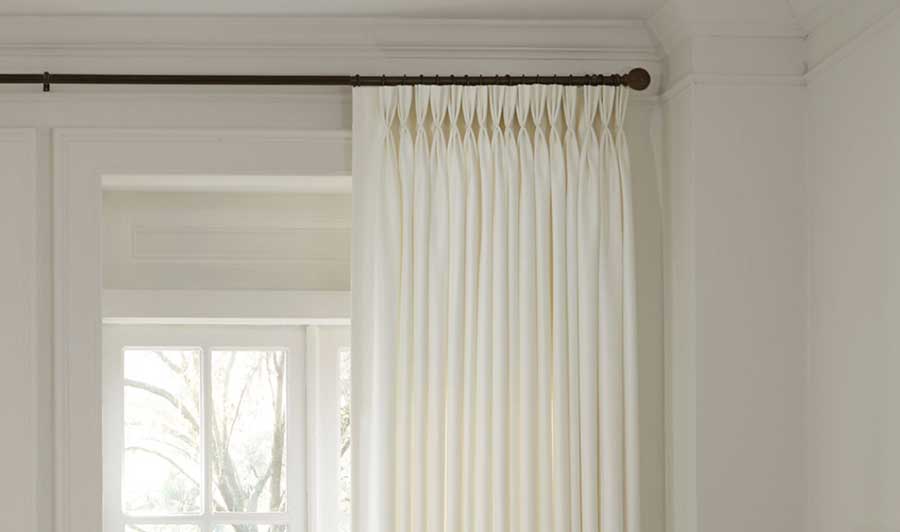
More fabric is used to create the triple pinch thus creating more depth and fullness than double pleats. Depending on fabric selection, that can translate into a higher expense. Using less fabric, double pleats result in slightly less fullness than triple, creating a different look.
Pinch Pleat and Euro Pleat: What’s the Difference?
Pinch pleat drapery features pleats that are gathered and sewn a few inches below the top of the panel. But Euro Pleat drapery is stitched at the very top, or only a half an inch down, often referred to as an inverted pleat. Euro pleats gather and the stitching remains visible at the header top. They have more of a cascade movement.
Which Fabrics are Popular?
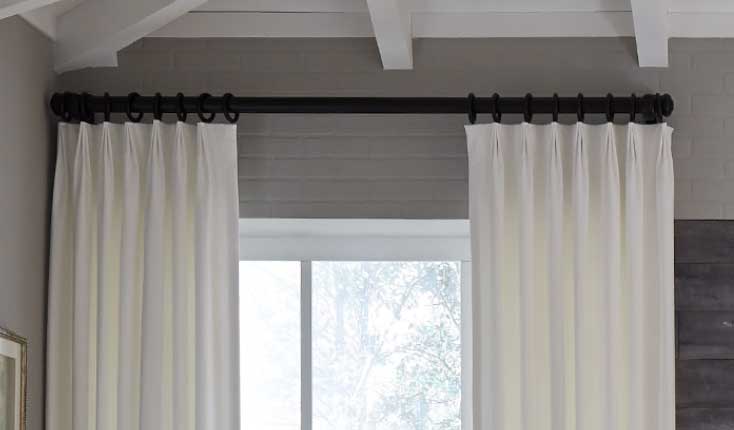
Customers most often request double pleat draperies, which feel less formal than triple pleats and work well with medium-weight fabrics like cotton or linen. Triple pleats drapery, in fabrics like velvet or heavy-weight textiles, are the most popular in that category.
What About the Ripple Fold or Grommet?
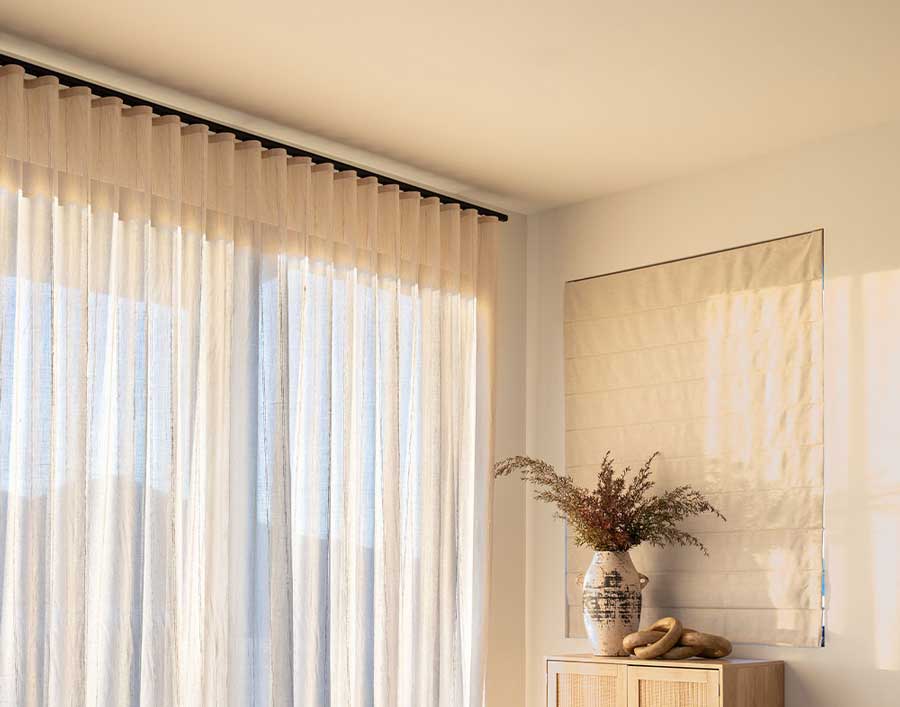
The header style you choose is an important piece in the look and feel of your space as a whole. While pinch pleat drapery does have an elegant and refined look, it’s not your only option. Homeowners explore all the most popular header styles, including ripple fold and grommet. Ripple fold is meant to glide along a specialty track to maintain the header’s soft style.
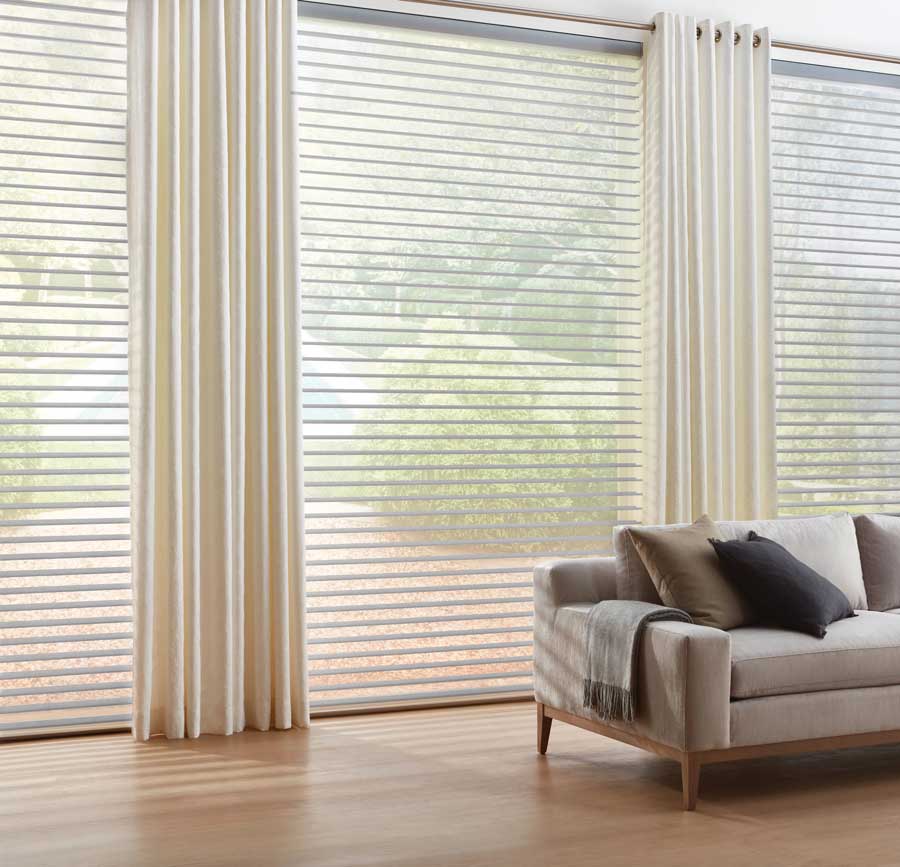
Grommet style draperies use round metal rings that slide directly along the drapery rod. In comparison to pinch pleat or ripple fold styles, they’re less structured and usually a more casual look. The exposed metal rings act as a nice design detail so it’s equally important to coordinate their finish with the drapery rod.
The Most Popular Pleat Styles
Most homeowners have only seen the double, triple, and Euro Pleat header styles. But did you know there are many more pleat styles to choose from when customizing your draperies? Let’s take a look.
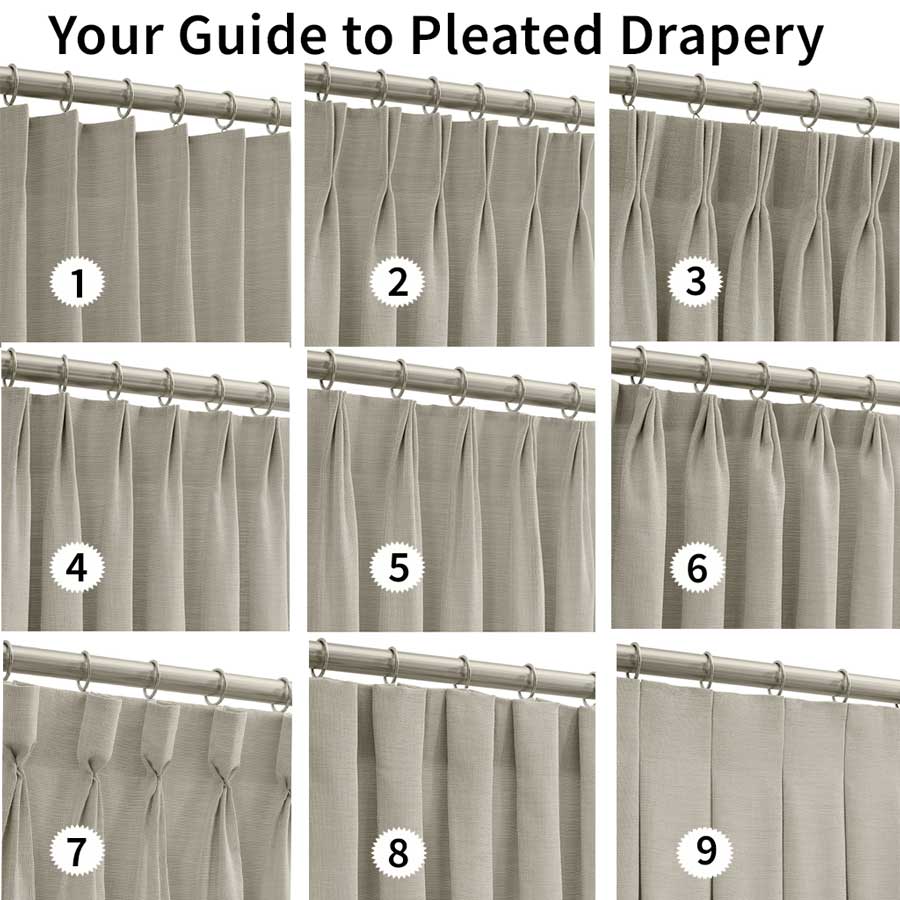
- Single Pleat: A clean, tailored option where makers form the fabric into one continuous pleat from the header down the length of the panel.
- Double Pinch Pleat: This style gathers and secures the fabric several inches below the top edge, forming a soft “V” shape on both sides of the pinch. Designers commonly refer to it as a two-finger pinch pleat and tack it 3–4 inches from the top.
- Triple Pleat: This pleat uses three pinches secured below the header, creating a layered “W” shape. Designers also call it a three-finger pinch pleat
- Inverted Pleat: Makers fold the fabric inward and stitch it just below the top of the panel, allowing multiple pleats to release and spread downward. This is also known as one version of the Euro Pleat.
- Euro Pleat: Makers pinch and tack the fabric near the top of the header, commonly called the Euro Pleat or Inverted Double Pleat. The “Olivia” Pleat from Carol Fabrics uses this double-fold technique near the top of the panel to form the inverted “V,” offering gentle structure with fluid movement.
- Natural Pleat: Makers fasten this pleat at the top and allow it to fall freely, producing a soft, relaxed drape with a casual feel.
- Goblet Pleat: Makers mold the fabric into a rounded, dimensional form and anchor it at the base, allowing the pleat to open as it travels down the panel. Its cup-like silhouette gives it a distinctly formal feel.
- Relaxed Pleat: Fabric attached at the back of the panel creates rounded loops along the header. The front remains smooth, giving the drapery an easy, unforced appearance. Also known as a box pleat.
- Tuxedo Pleat: A structured pleat formed by securing folds at the back of the panel, resulting in a crisp, tailored look. Designers most commonly use this style for stationary drapery panels.
Is It Possible to Have Pleat Drapery be Motorized?
Yes! Window treatment motorization eases everyday living. We’re happy to announce that pinch pleat draperies can be motorized with the Hunter Douglas PowerView® automation system. Users can control them with a remote, an app, or a smart home device, ultimately making your life easier and more comfortable.
Explore Drapery Options With Us
If you’re looking at new pinch pleat drapery for your Austin home, we’d love to help. Our expert designers can assist in making your window coverings breathtaking and functional. We have a large selection of fabrics, colors, and styles to choose from. Let us guide you to the right fit for your home and style. Visit us in person at our Austin Window Fashions showroom or set up a free in-home design consultation. Contact us to get the right look.
